The First National Bank & Trust Co. is now Brooks Bank. New name, same people, same community banking you trust. Learn More

Tuttle History

The Tuttle Then and Now gallery at Brooks Bank celebrates the people, places, and stories that shaped this Oklahoma community from the 1870s to today.

1870s

Bond Family's Happy Hollow

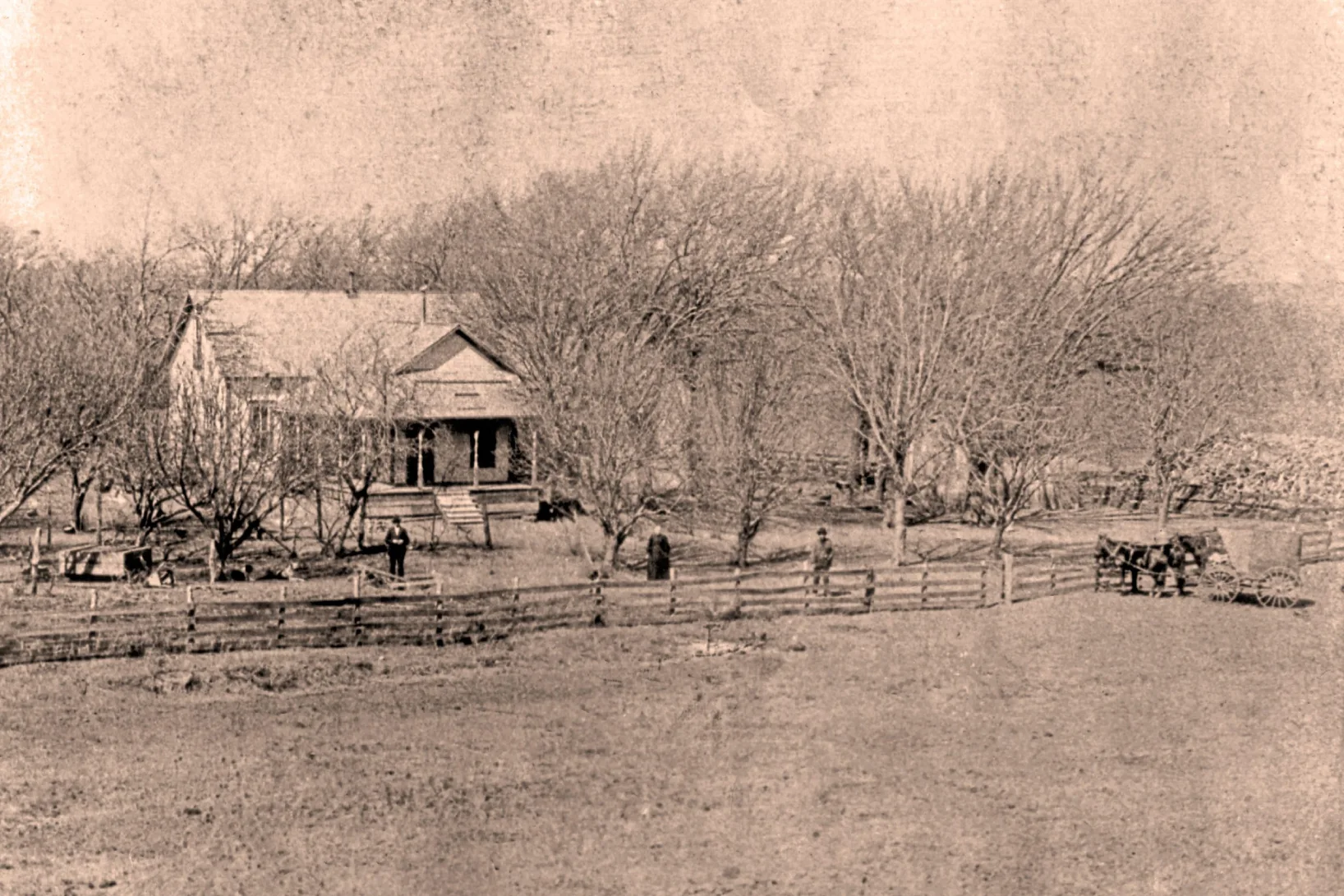
Happy Hollow is a Tuttle legend. Located near Silver City, the James H. Bond family served generous hospitality to travelers on the Chisholm Trail from their spacious home in the 1870s. Mrs. Bond nursed the sick and wounded who traveled the dangerous post-Civil War era trail from Texas ranches in the south to Kansas railheads in the north.

Photograph shared by the Bond family. Courtesy of the Tuttle Historical Society.
1890s

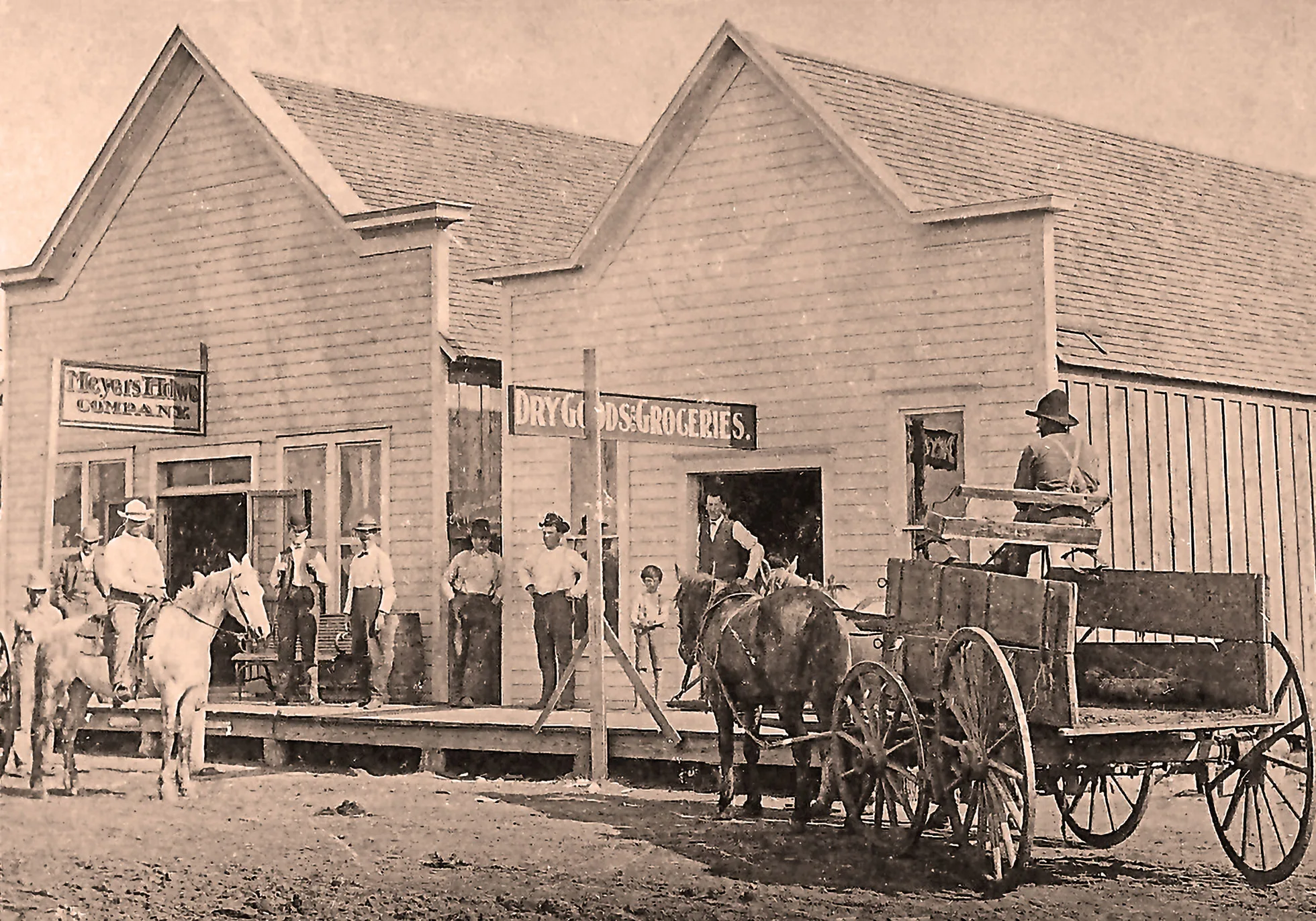
Tuttle Main Street in the 1890s

Looking like a scene from a western film, this photograph from the 1890s captures downtown Tuttle in its earliest stages. James H. Tuttle came to this area in the late 1870s to run cattle. Silver City was a hotspot on the Chisholm Trail, through which millions of cattle were herded from 1867 through the Land Run era. As settlement grew, the town took shape around commerce, cattle, and community.

Photograph provided by historian Judy Hogan, Tuttle Historical Society.
1891

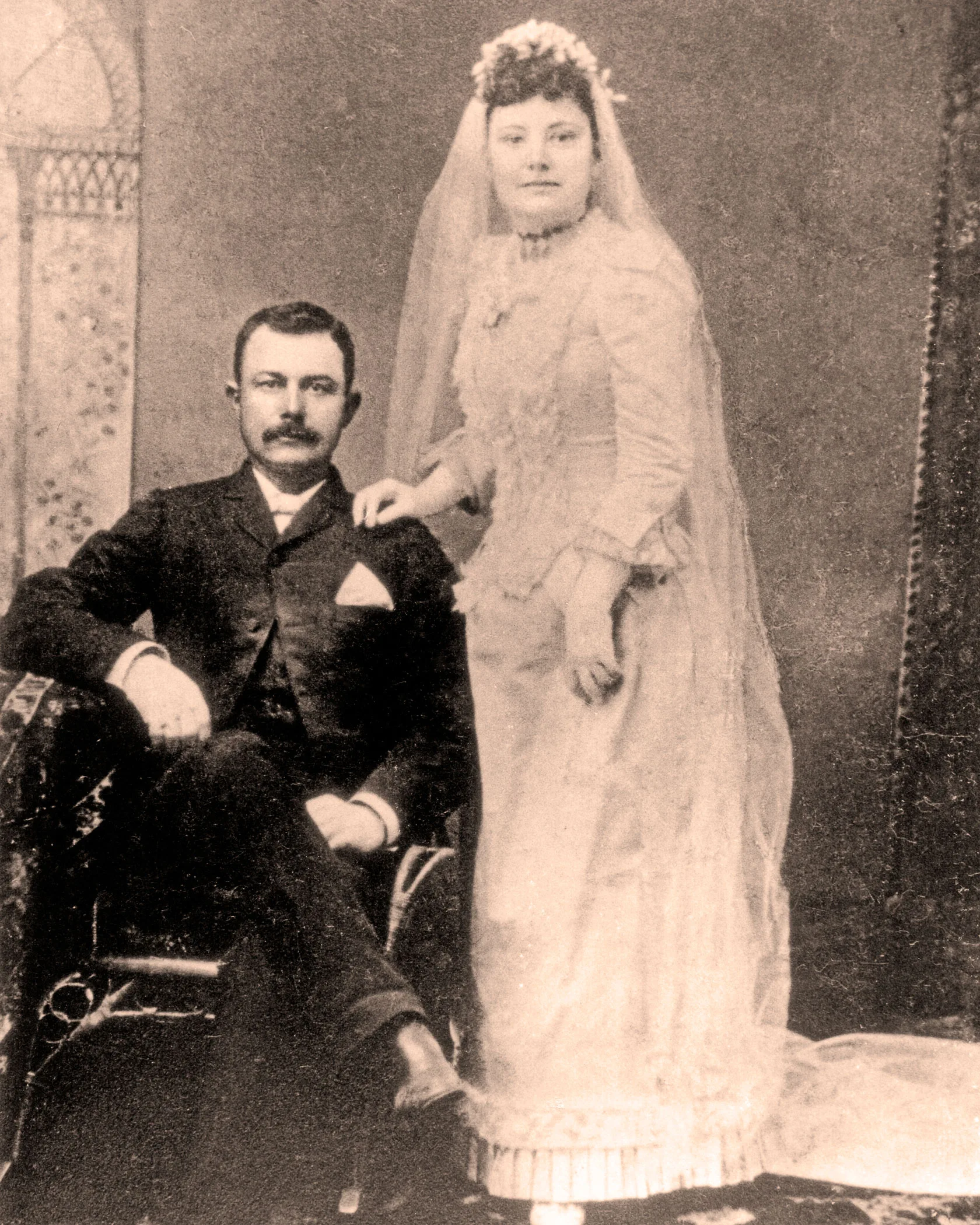
James H. and Carrie Campbell Tuttle

A visionary rancher and businessman, James Harley Tuttle was born in 1859 in Grayson County, Texas. He came to the Minco area around 1876 and joined a cattle business. In 1891, he married Carrie Matilda Campbell, with whom he had 10 children. J.H. Tuttle is widely regarded as the founder of Tuttle and the city bears his family name. Among his many business ventures, he established the Citizens National Bank in Chickasha in 1892, which would become the bank known today as Brooks Bank.

Historic photograph, circa 1891. Source: Tuttle Historical Society.
1898

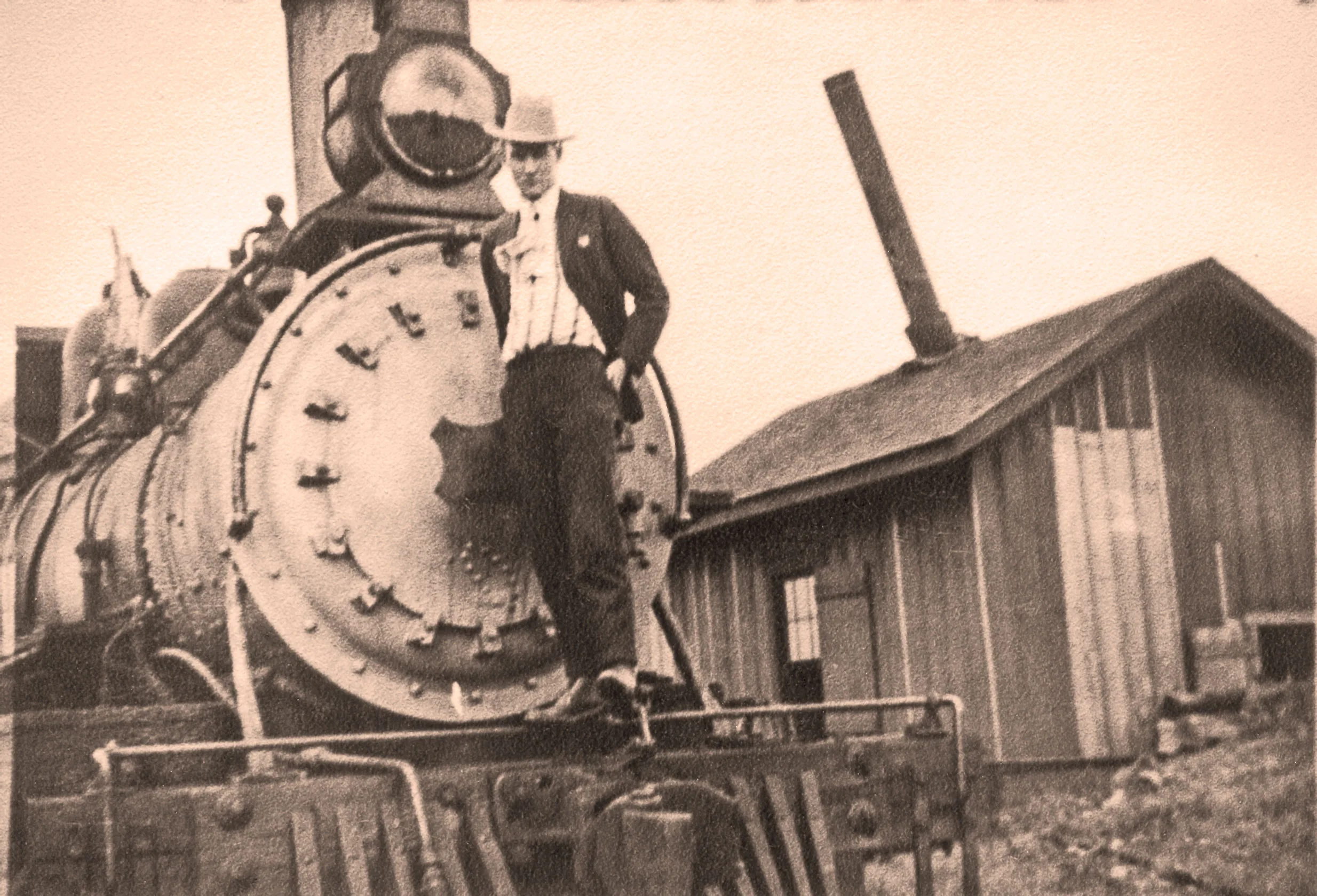
Train at Tuttle Depot

Tuttle was a popular stop on the Frisco Railroad well before it was incorporated as a city in 1907, the same year Oklahoma became a state. This photograph of an unknown man in 1898 was captured at the Frisco Train Depot in Tuttle, a hub that connected this growing community to markets and opportunities beyond the territory.

Historic photograph, circa 1898. Source: Tuttle Historical Society.
1900

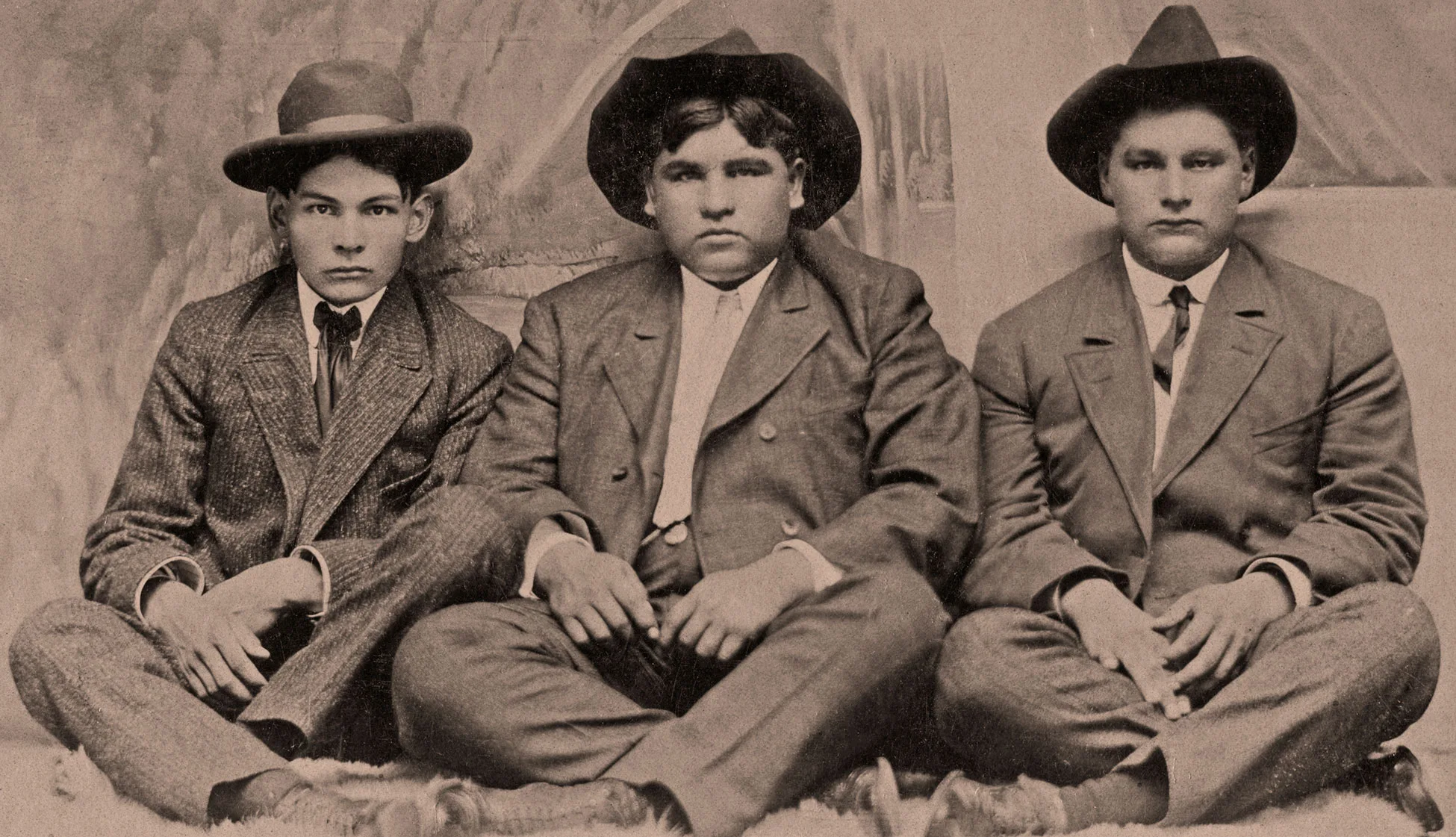
Chickasaw Schoolboys

Three young Chickasaw men are captured in this photograph from around 1900. From left are Will Talley, Calvin Cobb, and Key Wolfe. Cobb and Wolfe are cousins to Minerva Cochran. Family history says these young men were headed to the Chickasaw National Academy. Many of these families had deep roots in the Tuttle area and helped shape the community long before statehood.

Photograph provided by Betty Smith of Tuttle.

1900

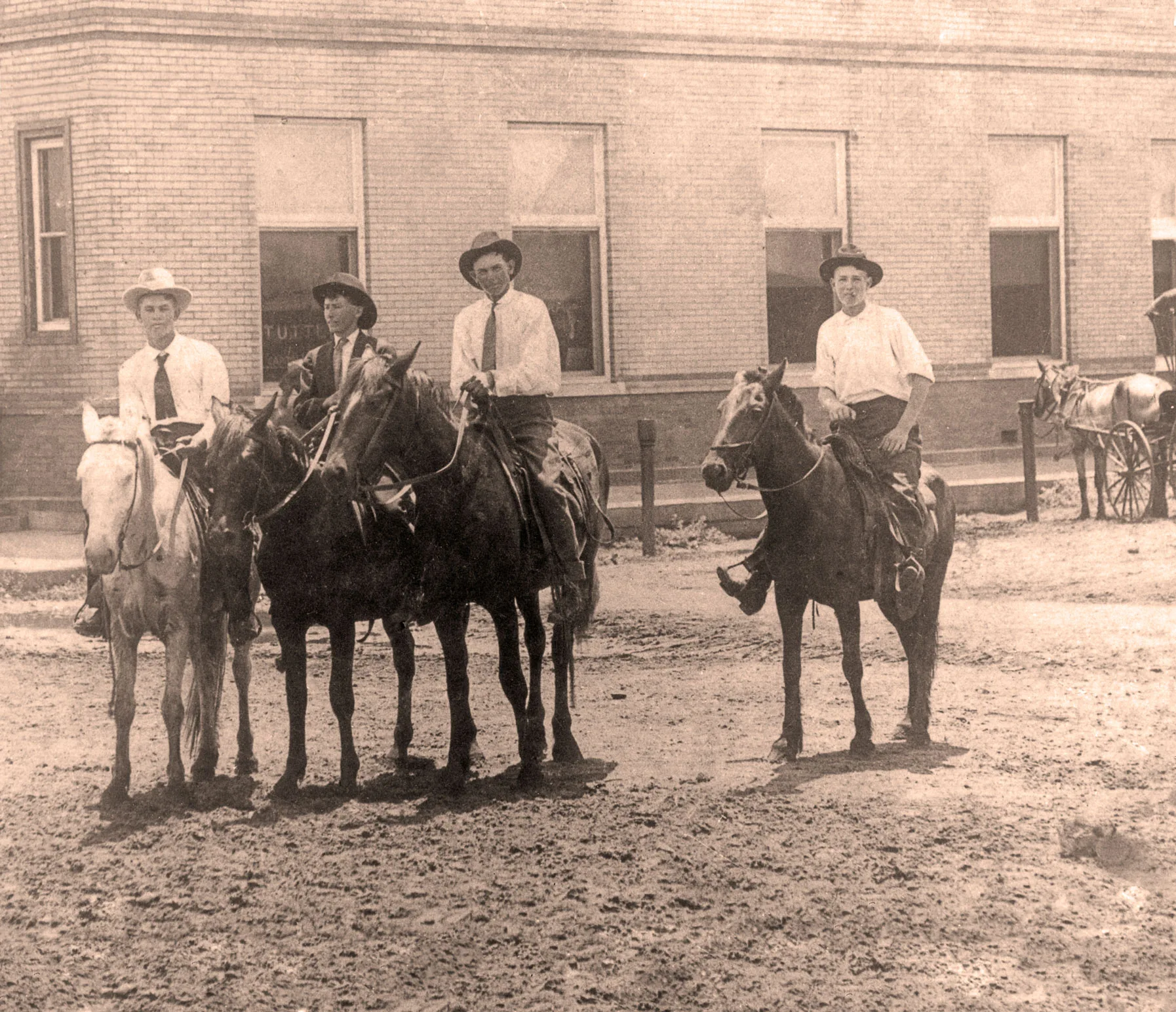
Cowboys Ready to Celebrate

Were these boys headed for Sunday services or Saturday night fun? The true story of these cowboys is unknown, but that has never stopped locals from speculating what they might be doing in this downtown Tuttle intersection around 1900. The photograph was shared from the Norma Jean Gambill Collection of early Tuttle photography by John and Cherryl Paxton, longtime Tuttle residents.

Photograph from the Norma Jean Gambill Collection. Shared by John and Cherryl Paxton.

1904

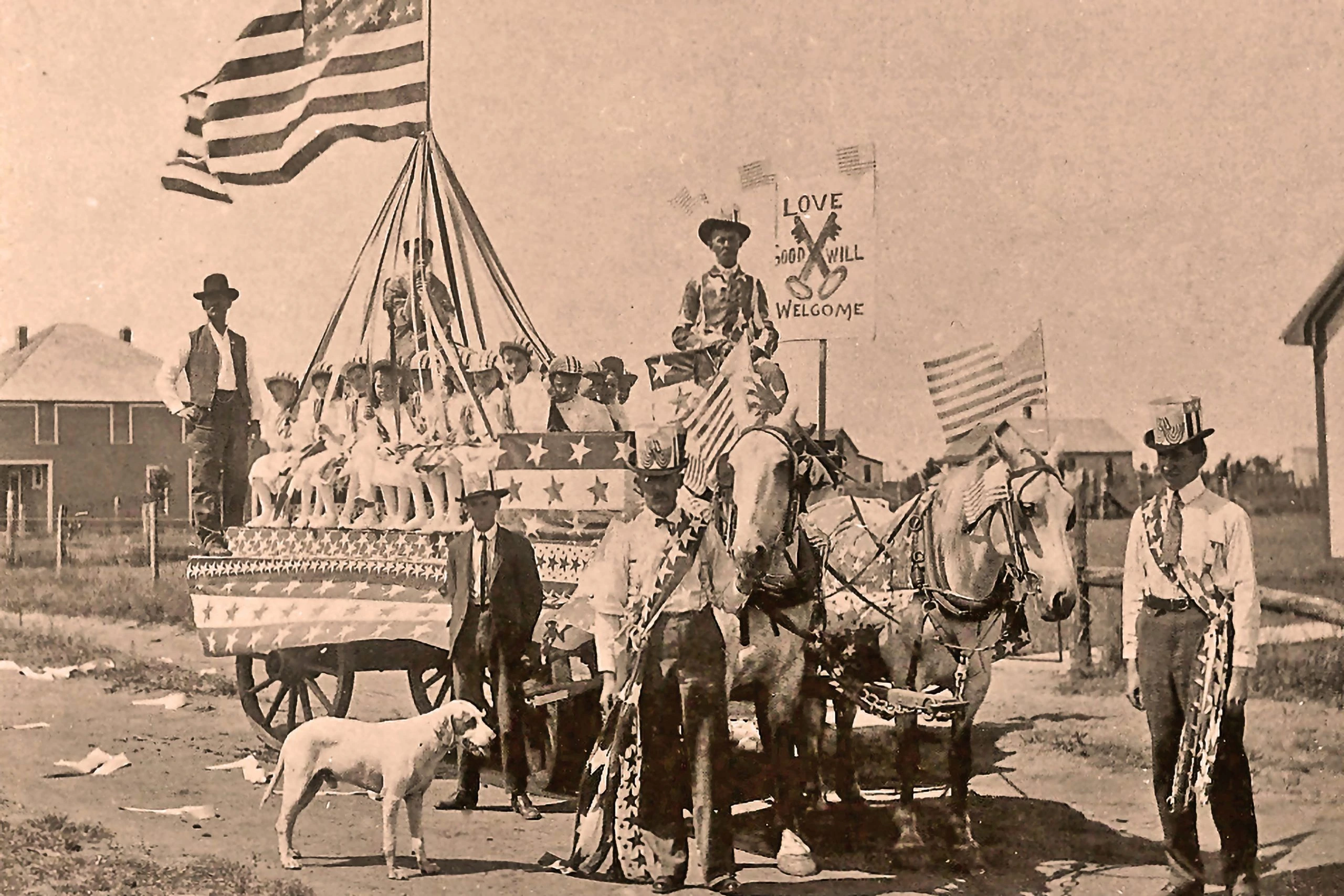
Independence Day Parade

Even before Oklahoma statehood in 1907, Tuttle was celebrating American freedom in its own front yard. This image from the 1904 Independence Day Parade comes from the photo collection of local historian Judy Hogan. Nearly 120 years later, the celebration continues each summer in downtown Tuttle. 

Image courtesy of the Judy Hogan Collection, 1904.

1910

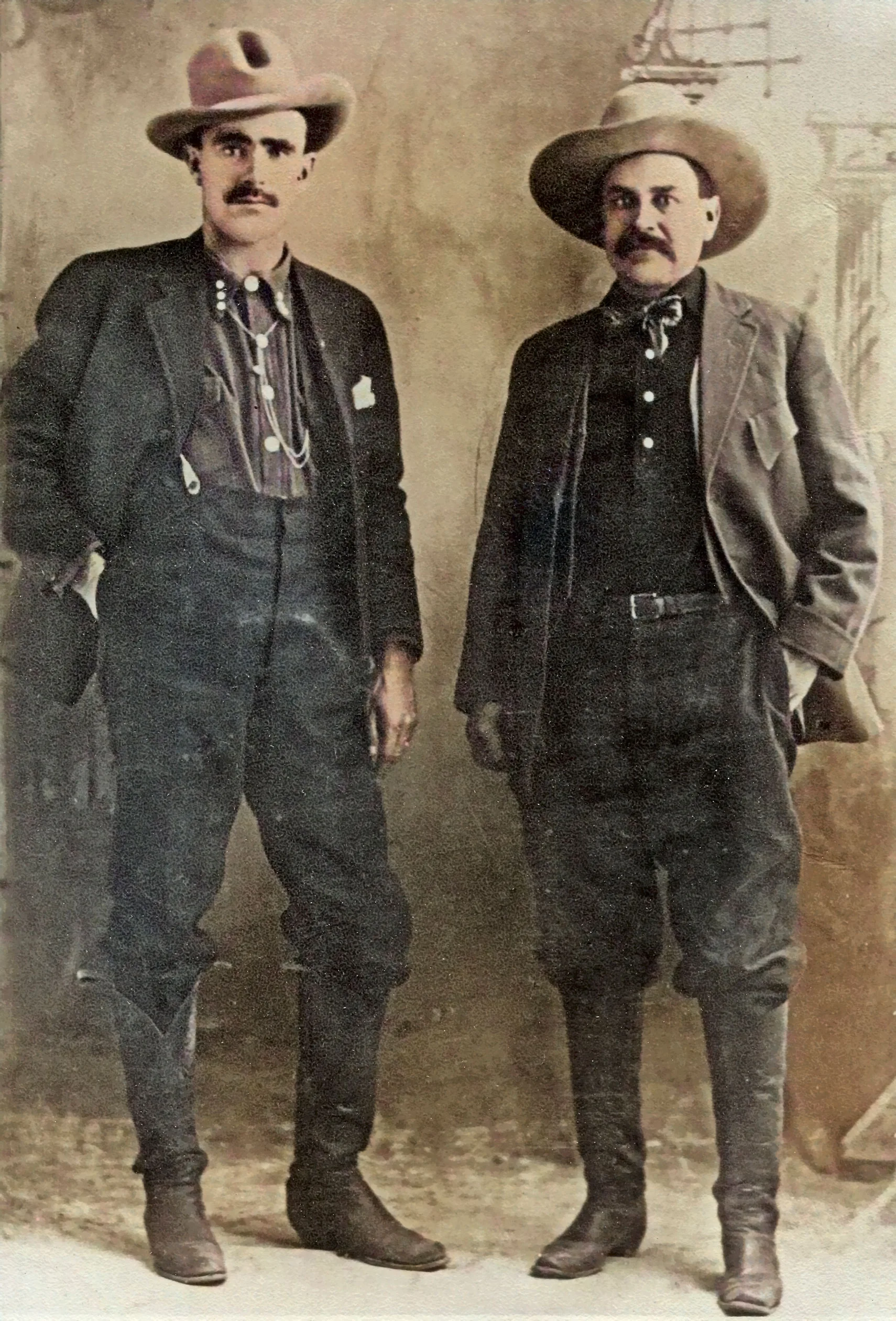
Ford and Cochran

Early Tuttle resident Martin Cochran and his friend Ed Ford were known for their adventures. A member of the Chickasaw Nation, Cochran received a land allotment east of Tuttle and worked on the Montford Johnson Ranch. He was the son of Arnaca Wolf Cochran and Alexander Cochran, and the great-grandson of Joseph Wolfe, an early judge in the Chickasaw Nation before statehood.

Photograph provided by Betty Smith of Tuttle.

1917

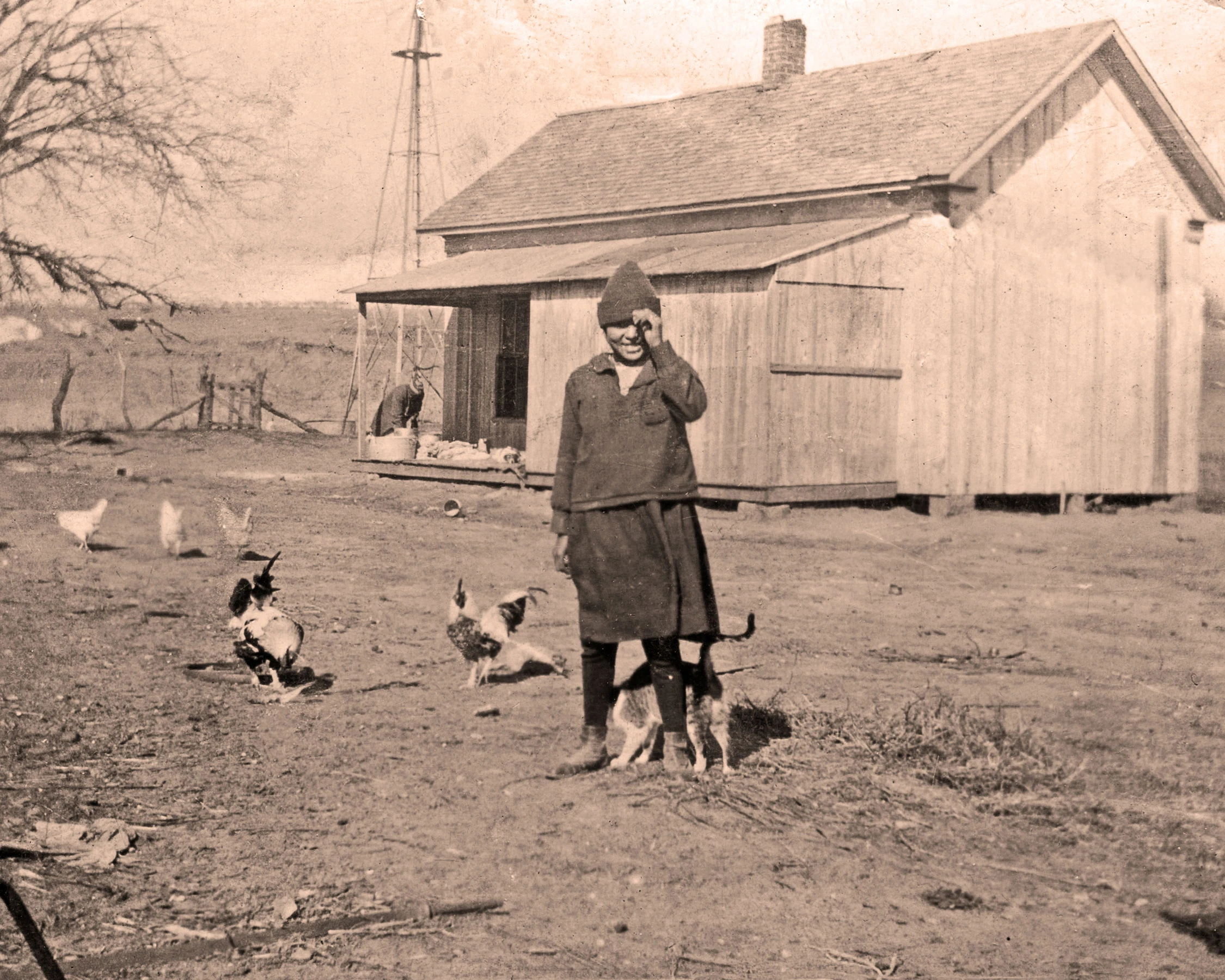
Ben Pikey's Cabin and Legacy

Benson Pikey was a respected early Silver City and Tuttle settler who built this cabin around 1867 and established the Pikey Ferry Crossing on the Canadian River, a main artery between Oklahoma City and Lawton until bridges replaced it in 1934. In this photo, ten-year-old Zenobia Louise Cochran stands in front of the cabin while her grandmother Katie washes clothes on the porch behind her. Pikey farmed roughly 2,000 acres and served as Speaker of the Chickasaw House of Representatives in 1888, leaving a legacy that still shapes Tuttle today. 

Image shared by Betty Smith, who lives on Pikey-allotted land near Tuttle, 1917.

1940s

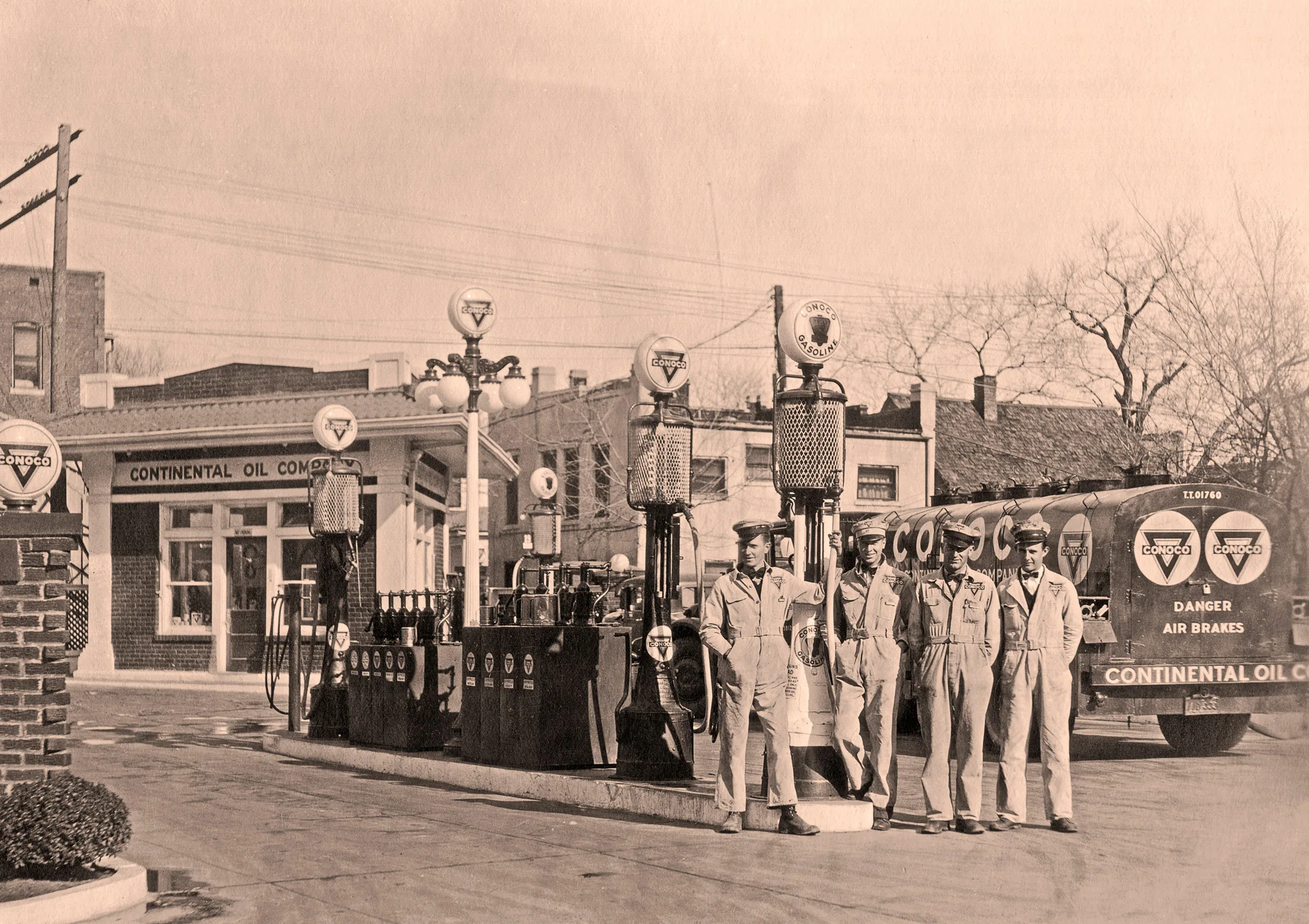
Filling Station in the 1940s

From drilling to retail, the oil business has always fueled Oklahoma's ambitions. This photograph shows local Tuttle men at a Conoco station, believed to be Sam Brand, George Hogan, Ed Brand, and Thomas Hardin. The energy industry has been woven into Tuttle's economy alongside agriculture and ranching since the earliest days of settlement.

Photograph shared by Judy Hogan, Tuttle Historical Society. George Hogan is her late uncle.
1958

J.B. Sloan at Silver City Cemetery

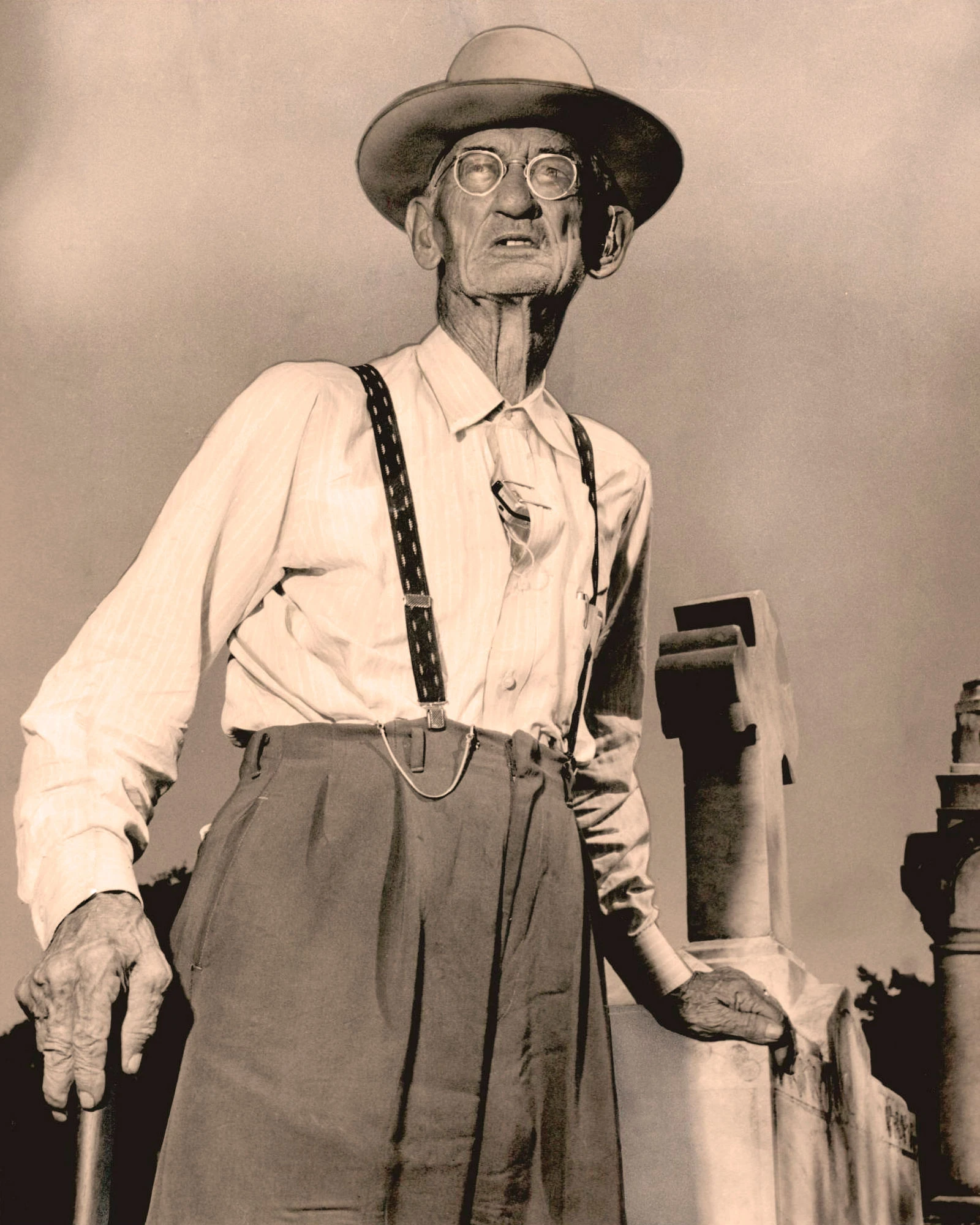
Photographed for the Daily Oklahoman in 1958, this image was printed with the caption, "J.B. Sloan of Tuttle saw the country grow up and Silver City die when rail came to Minco." The Silver City Cemetery, located two miles north of Tuttle, is the final resting place for many of Tuttle's founding families, including the Bonds, Campbells, Tuttles, and Johnsons. It remains a quiet anchor to Tuttle's earliest chapter. 

Photograph by Richard Cobb, 1958. Image courtesy of the Oklahoma History Center.

1960s

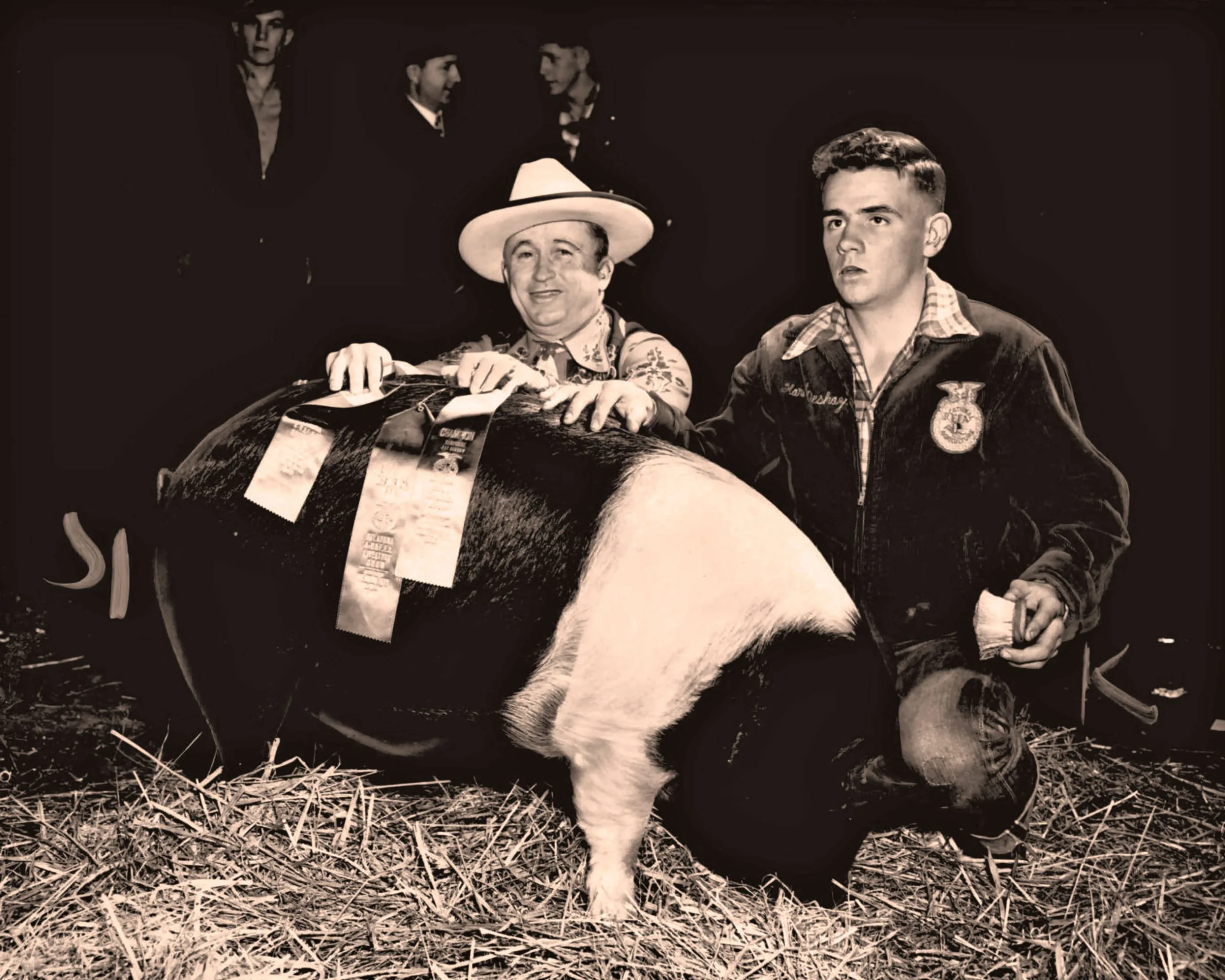
Future Farmers in the 1960s

A young swine judging competitor in the 1960s gains real ranching experience through the Tuttle chapter of Future Farmers of America. Young men and women in the Tuttle area have enjoyed the learning opportunities made possible by FFA since this chapter was chartered in 1933. A national Gold Emblem Chapter, Tuttle FFA manages its own farm and arena.

Historic photograph, 1960s. Source: Tuttle FFA / Tuttle Historical Society.
Mid-20th Century

Braum's Milking Operations

When Braum's celebrated its 50th anniversary of operations in 2018, it looked back on decades of growth rooted right here in Tuttle. In the middle of the last century, Bill Braum pioneered vertical integration, building a dairy operation that now stretches across hundreds of stores in five states. The Braum family moved their giant herd of 900 cows to Tuttle by trucking them down the interstate, and the operation has been an anchor employer in the community ever since.

Historic photograph shared by Braum's for its 50th anniversary celebration in 2018.

2017

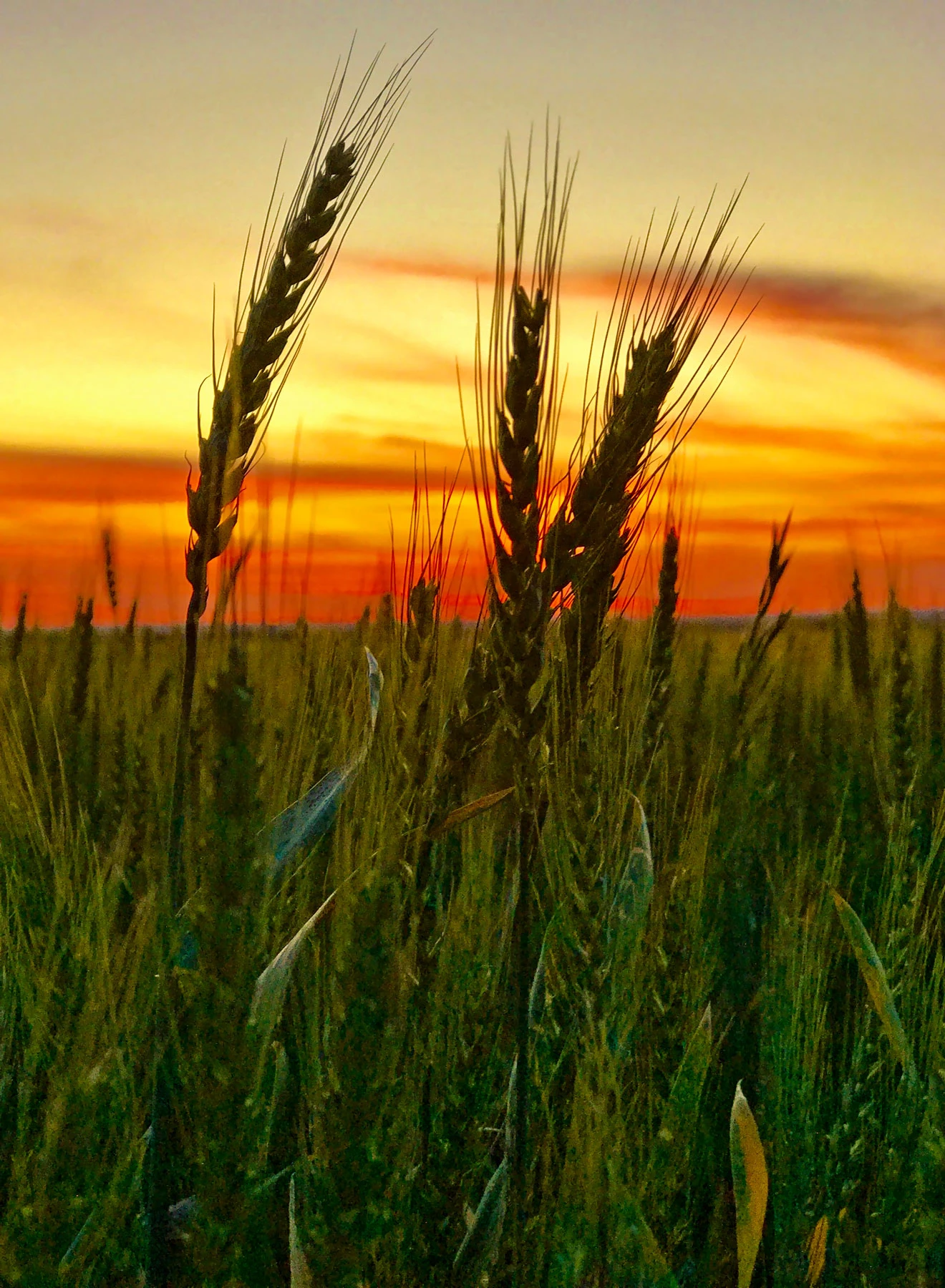
Grain Harvest Sunset

Captured at sunrise on a Tuttle farm, this image took first place in First National Bank's Our Community Photography Competition. The biennial contest celebrates area photographers, amateur and professional alike, and supplies the design content for the bank's Our Community Calendar. Moments like this one are what make the Tuttle landscape unforgettable. 

Photograph by Cheryl Jackson, 2017.

2019

Tuttle Football Fever

Since its early years, football has been a favorite pastime in Tuttle. Modern families pack the stands to watch the Tuttle Tigers take on rival teams each fall. Two Tuttle graduates gained national recognition through the program: Clyde Conner, a wide receiver for the San Francisco 49ers, and Jason White, a Heisman Trophy winner. This prizewinning drone photograph earned first place in the Brooks Bank Our Community Photography Competition in 2019.

Photograph by Leslie Walker. Drone owned by Grant Rushing. First place, Brooks Bank Our Community Photography Competition, 2019.

2020

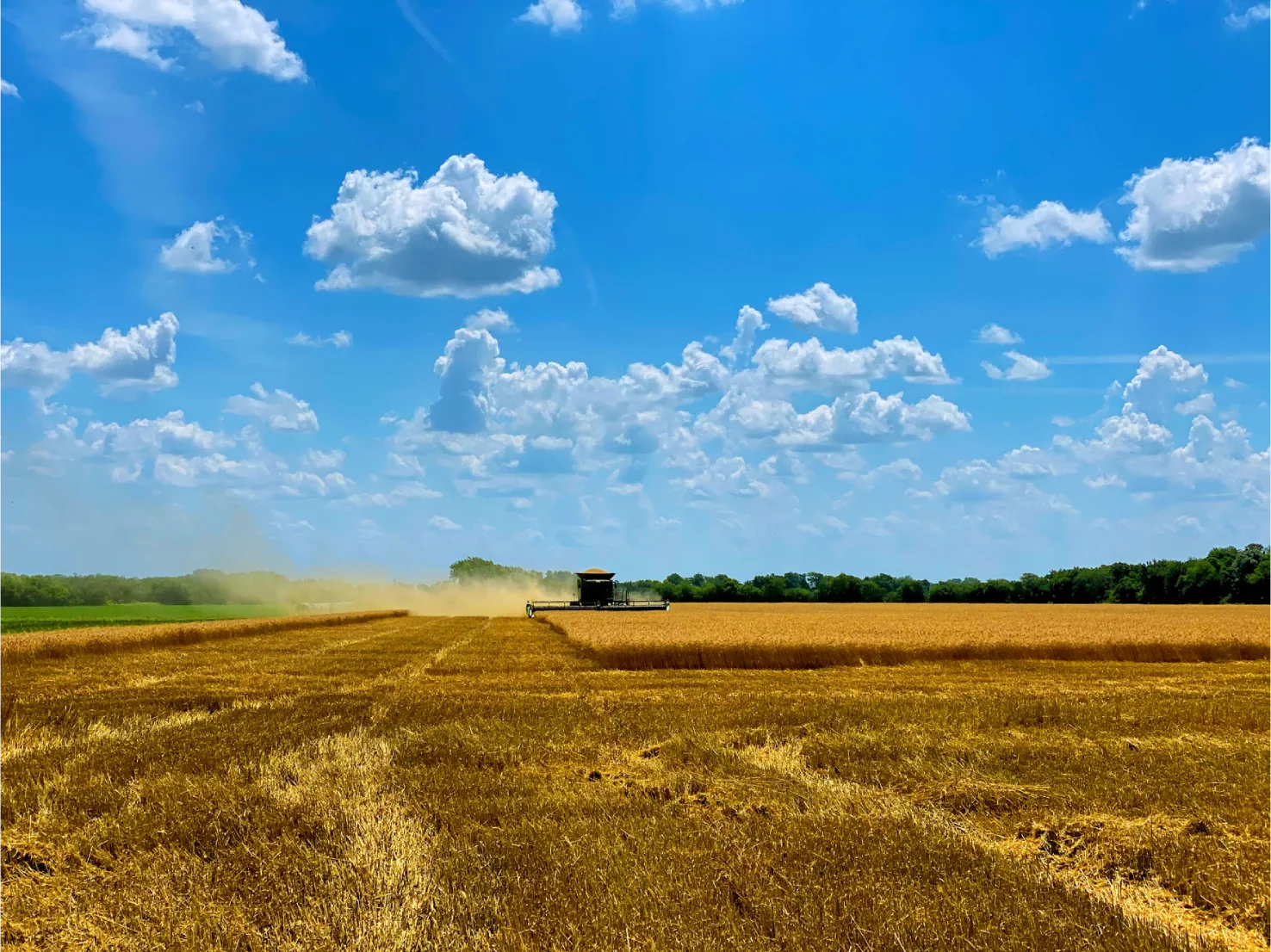
Harvesttime

Juggling rainstorms, tornadoes, and searing heat, local farmers harvest their crops when nature cooperates. This striking photograph was captured on land near the Brooks Bank location at the county line. Agriculture has been part of Tuttle's identity from the very beginning.

Photograph by Tim Osborn, 2020.

2021

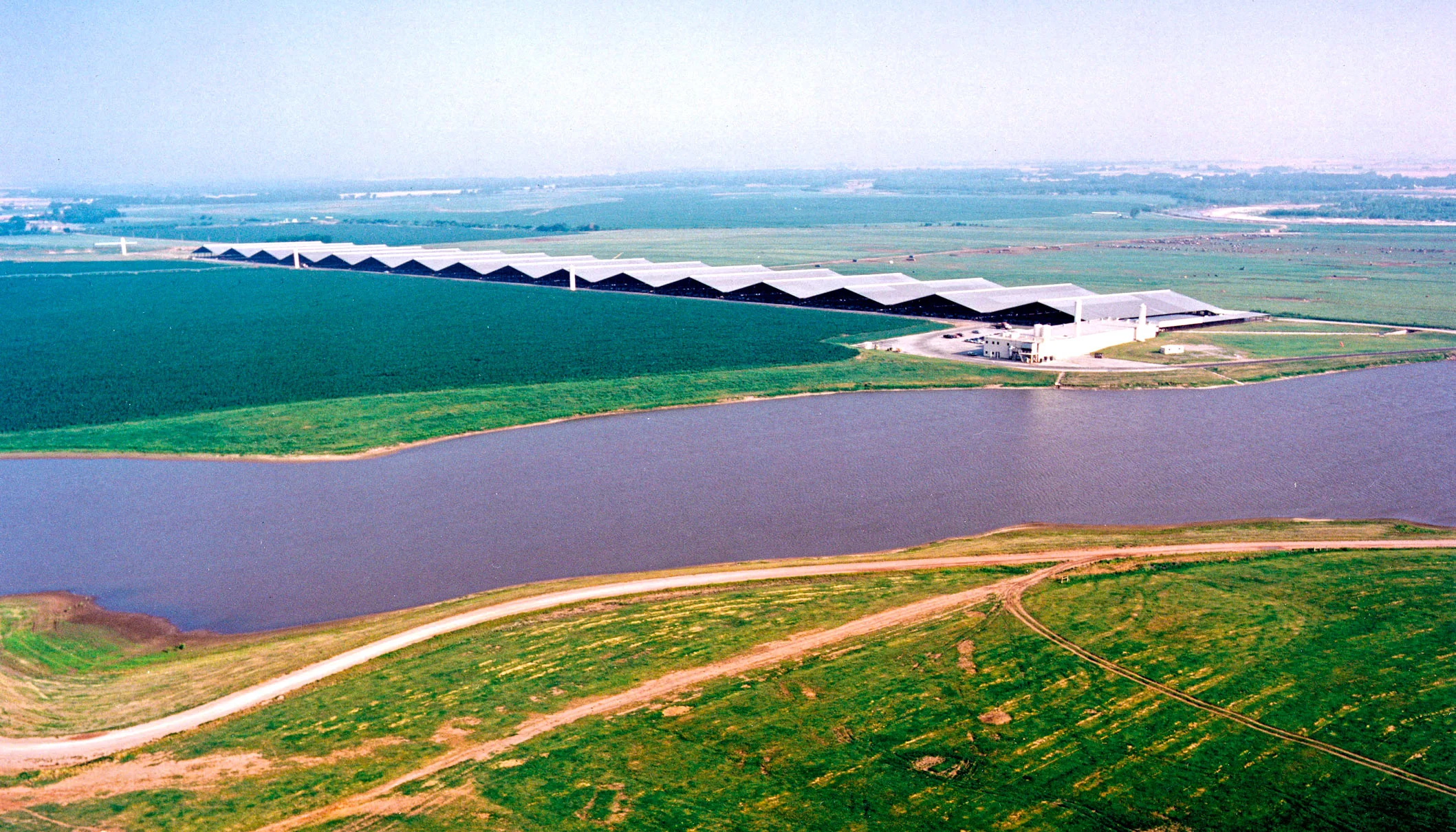
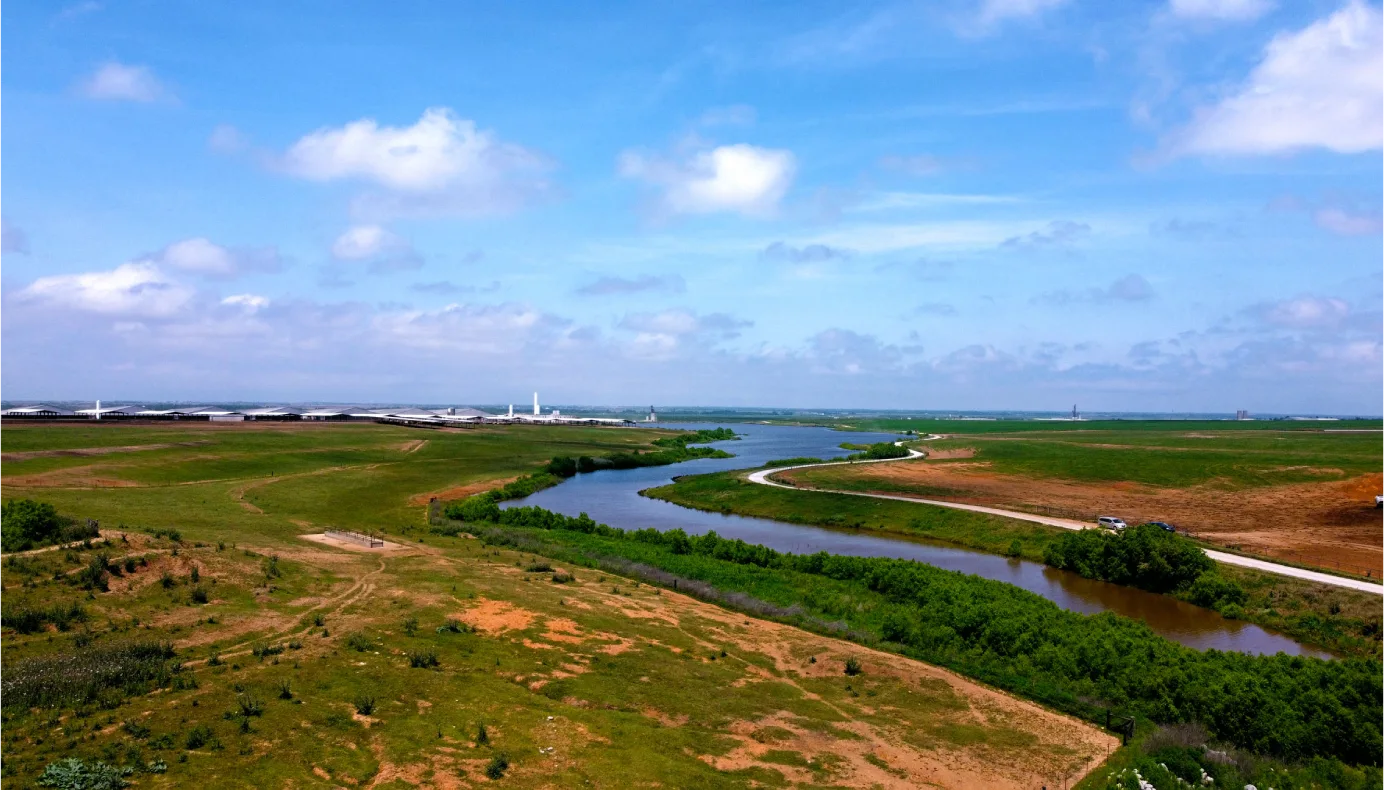
Modern Braum's Dairy Farm

From a drone above the Braum's Dairy Farm, the modern milking operations send fresh milk and cream to hundreds of stores across Oklahoma and neighboring states. Braum's is an anchor employer in Tuttle and provides significant economic impact to the community and state through its long-stable operations.

Drone photograph, 2021.

2021

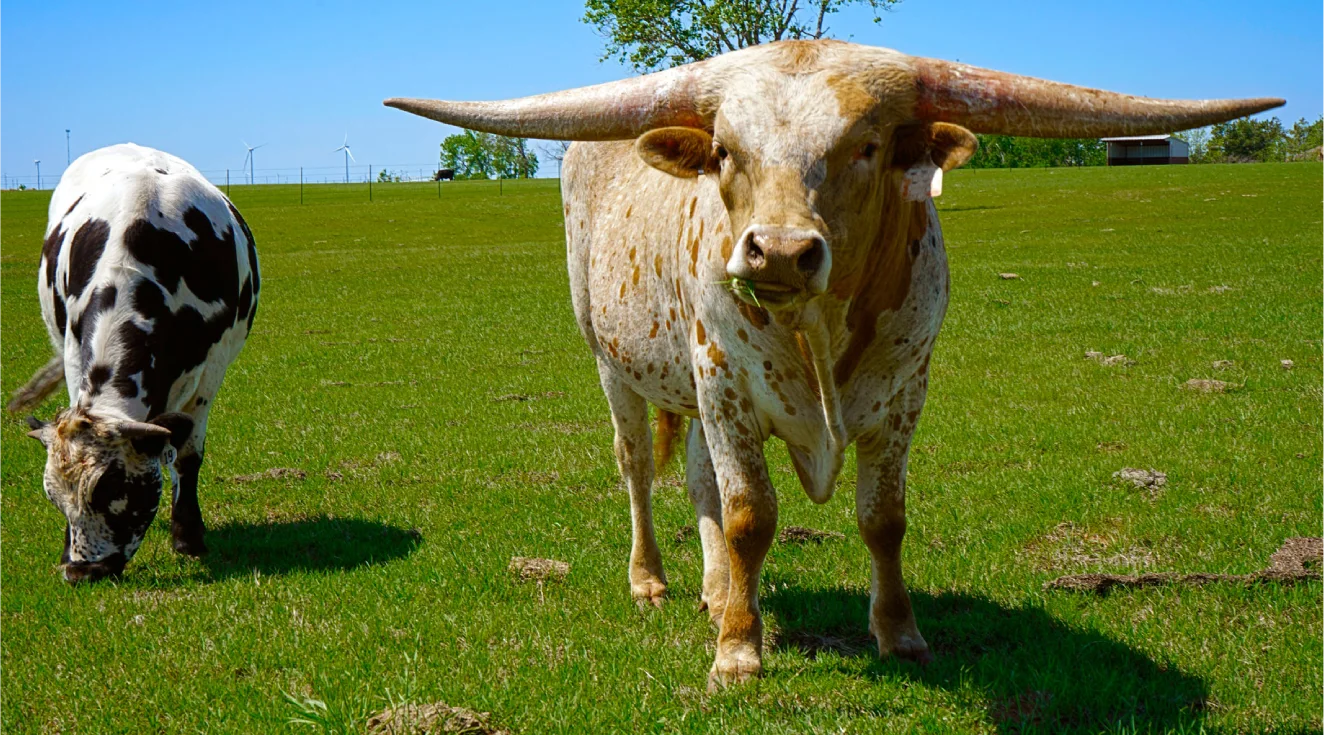
Longhorn Standoff

Staring down the photographer in a pose more curious than threatening, this Longhorn enjoys lunch under the lens. The cattle business has remained a foundation of the Tuttle economy, as it was long before energy and transportation arrived at the end of the 19th century. The city's founder, J.H. Tuttle, first came here to raise cattle and continued his operations until his passing in 1922.

Photograph by Kenny Tolman, 2021.

2021

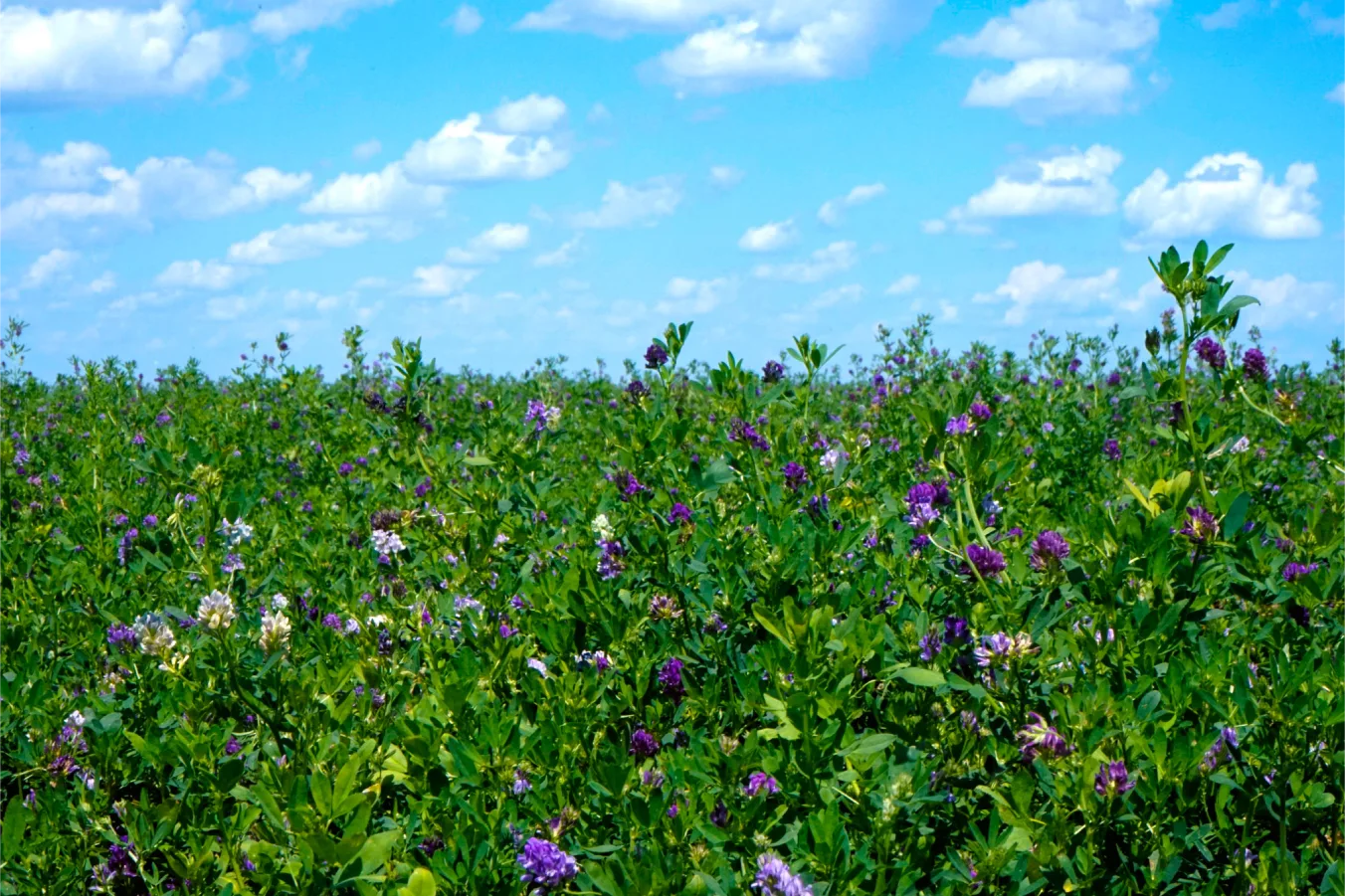
Alfalfa in Bloom

Besides serving as nutrition for cattle, alfalfa also produces a beautiful field of flowers. The result is a canvas of vibrant color captured on farmland owned by the Osborn family near Tuttle.

Photograph by Kenny Tolman, 2021.

2021

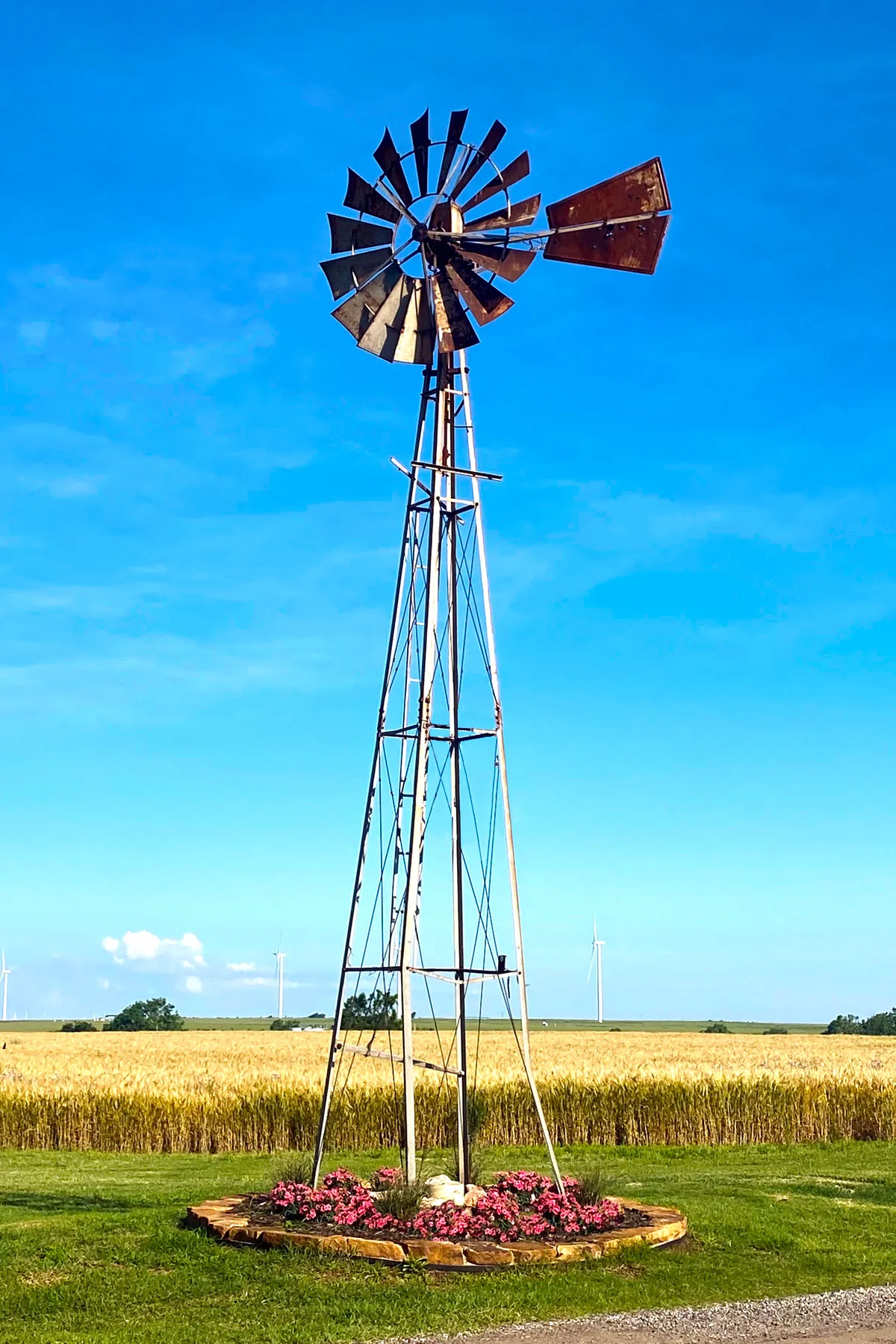
Tuttle Windmill

Agriculture and energy have always been part of the local economy in Tuttle. This striking harvest-time photograph is a reminder that the landscape which drew settlers here over a century ago still defines the community today.

Photograph by Rebecca Jones, 2021.

2021

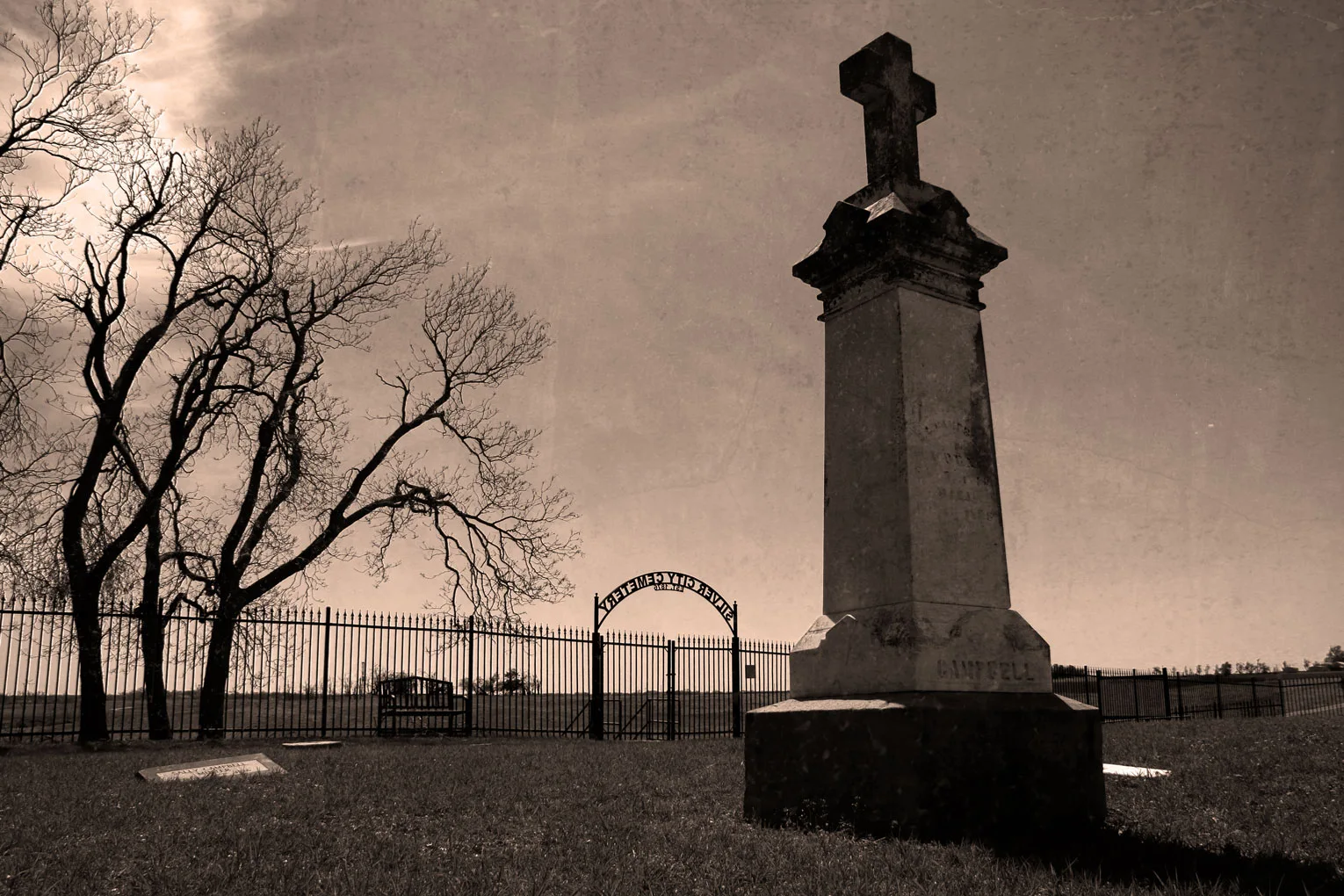
Silver City Cemetery

This photograph of the Silver City Cemetery looks like an antique but it was captured in 2021, then retouched to harmonize with the historic photographs displayed alongside it in the gallery. Now maintained by the City of Tuttle, the cemetery is a quiet landmark connecting the present to the earliest chapters of this community's story.

Photograph by Greg Myers, 2021. Retouched to appear historic.

2021

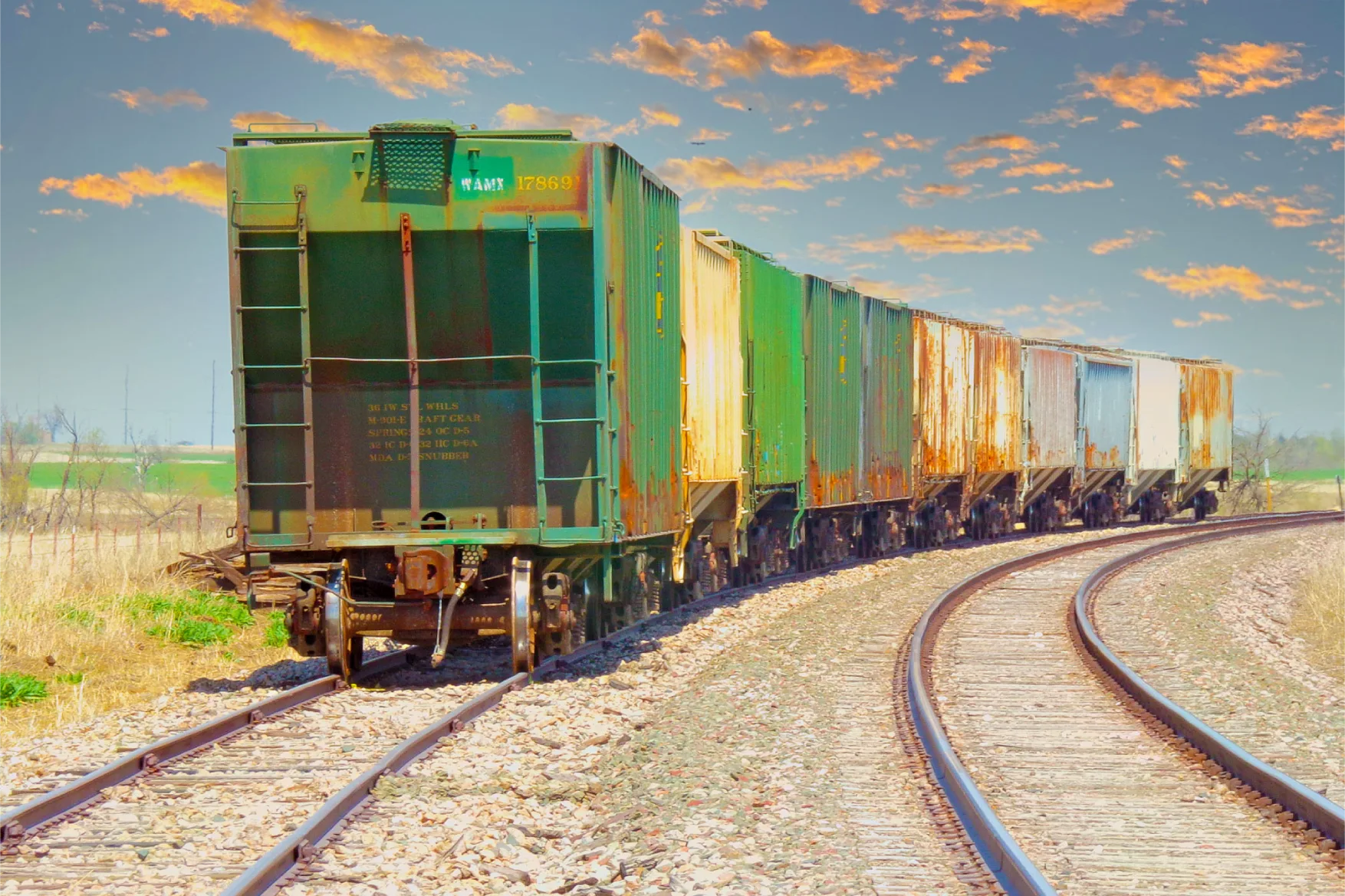
Rusty Train and Sky

Transportation played a big role in Tuttle's growth from statehood in 1907. The local economy was fueled by the intersection of state highways, railroads, and the original Chisholm Trail that moved millions of cattle through the area from the 1870s. This colorful photograph was captured near Tuttle in 2021.

Photograph by Greg Myers, 2021.

2021

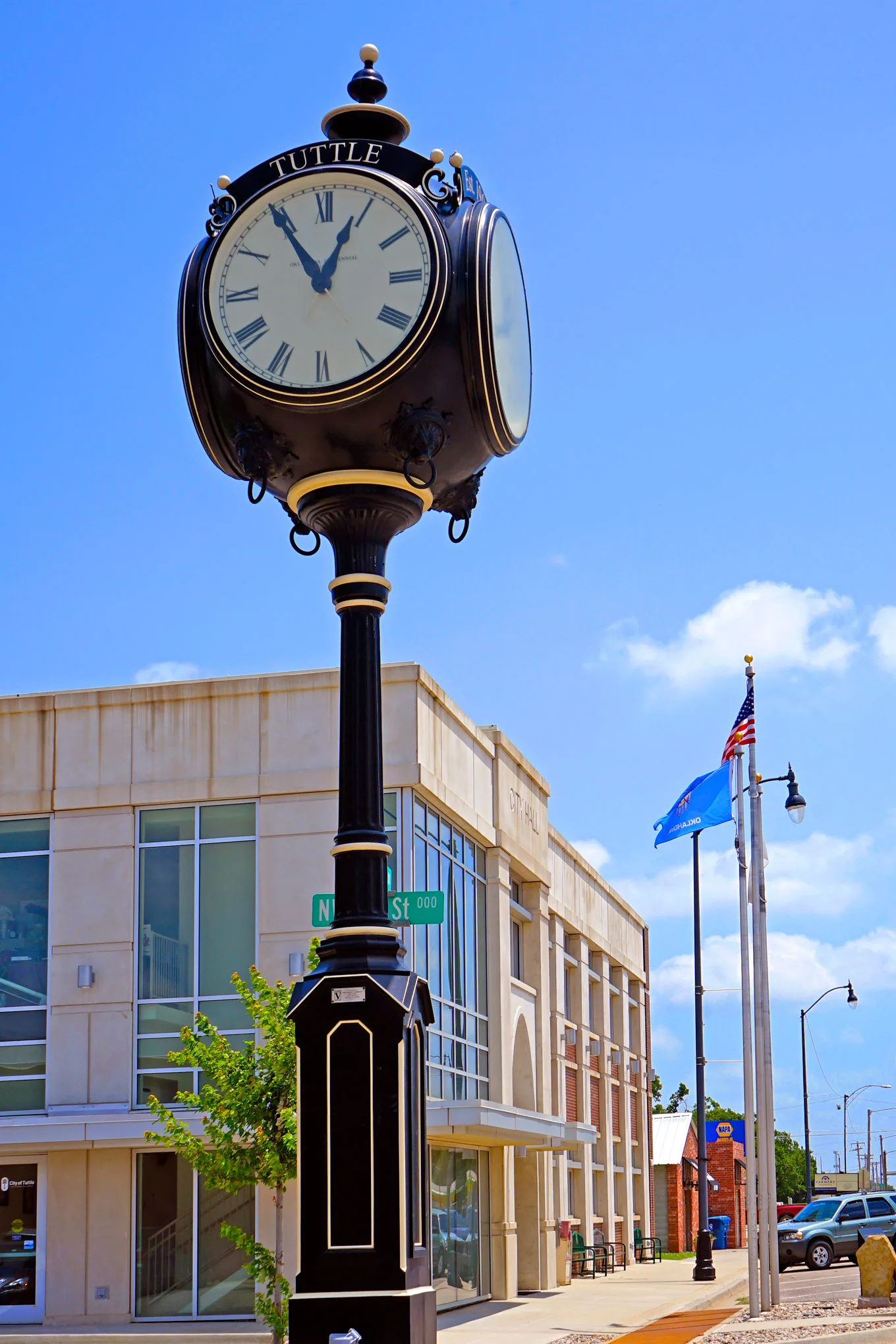
Centennial Clock and Chamber

Downtown Tuttle is home to one of Oklahoma's iconic Centennial Clocks, as well as the new City Hall and Chamber building. The heart of Tuttle continues to grow while honoring its past.

Photograph by Kenny Tolman, 2021.

2021

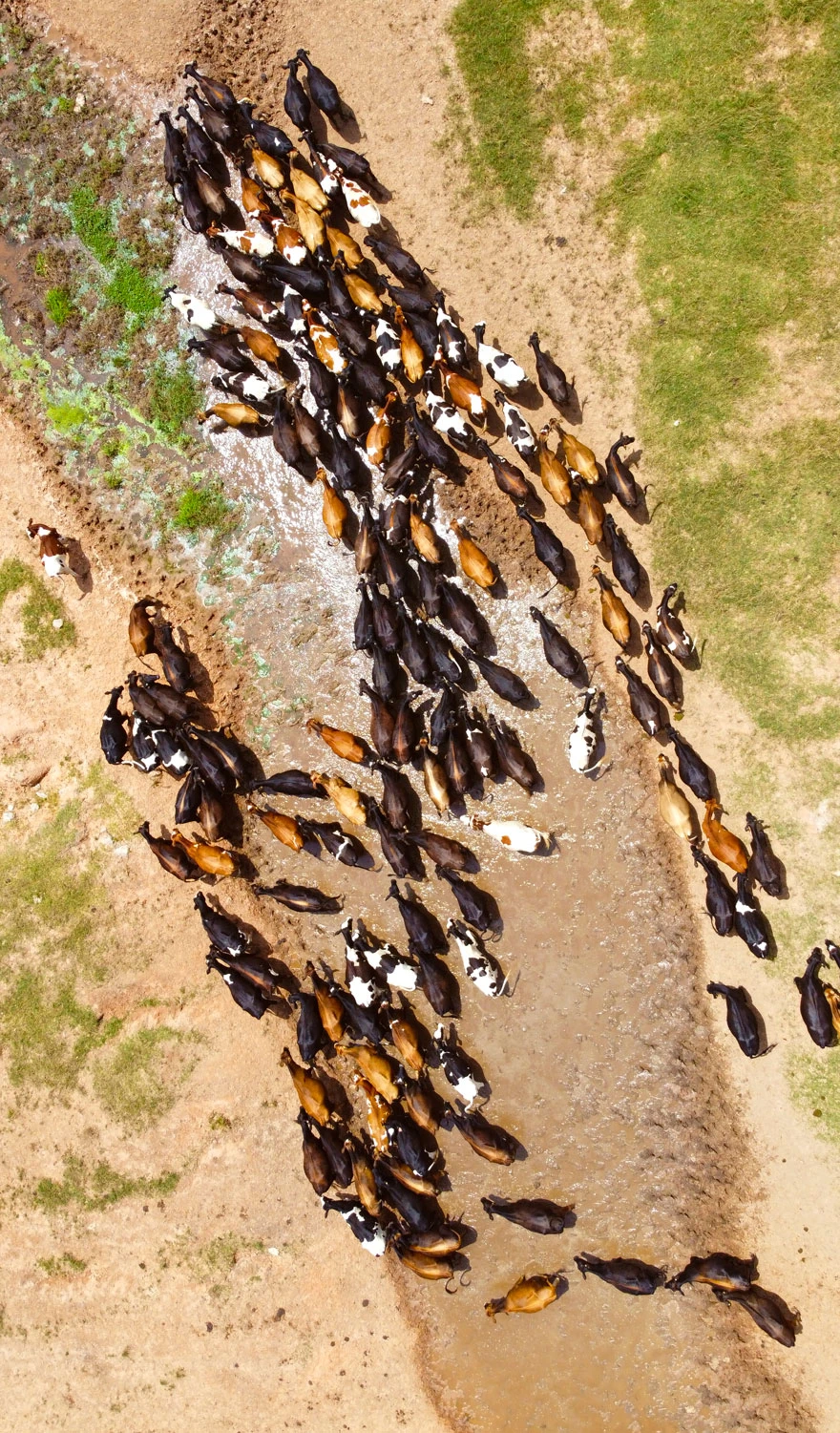
Braum's Dairy Cattle

From its base of operations here in Tuttle, Braum's Ice Cream and Dairy Stores supplies fresh milk and dairy products to families across five states. This aerial view captures the ranching operations owned by the Braum family, an anchor employer and a defining piece of the Tuttle story. 

Photograph by Kenny Tolman, 2021.

2021

Silver City Cross

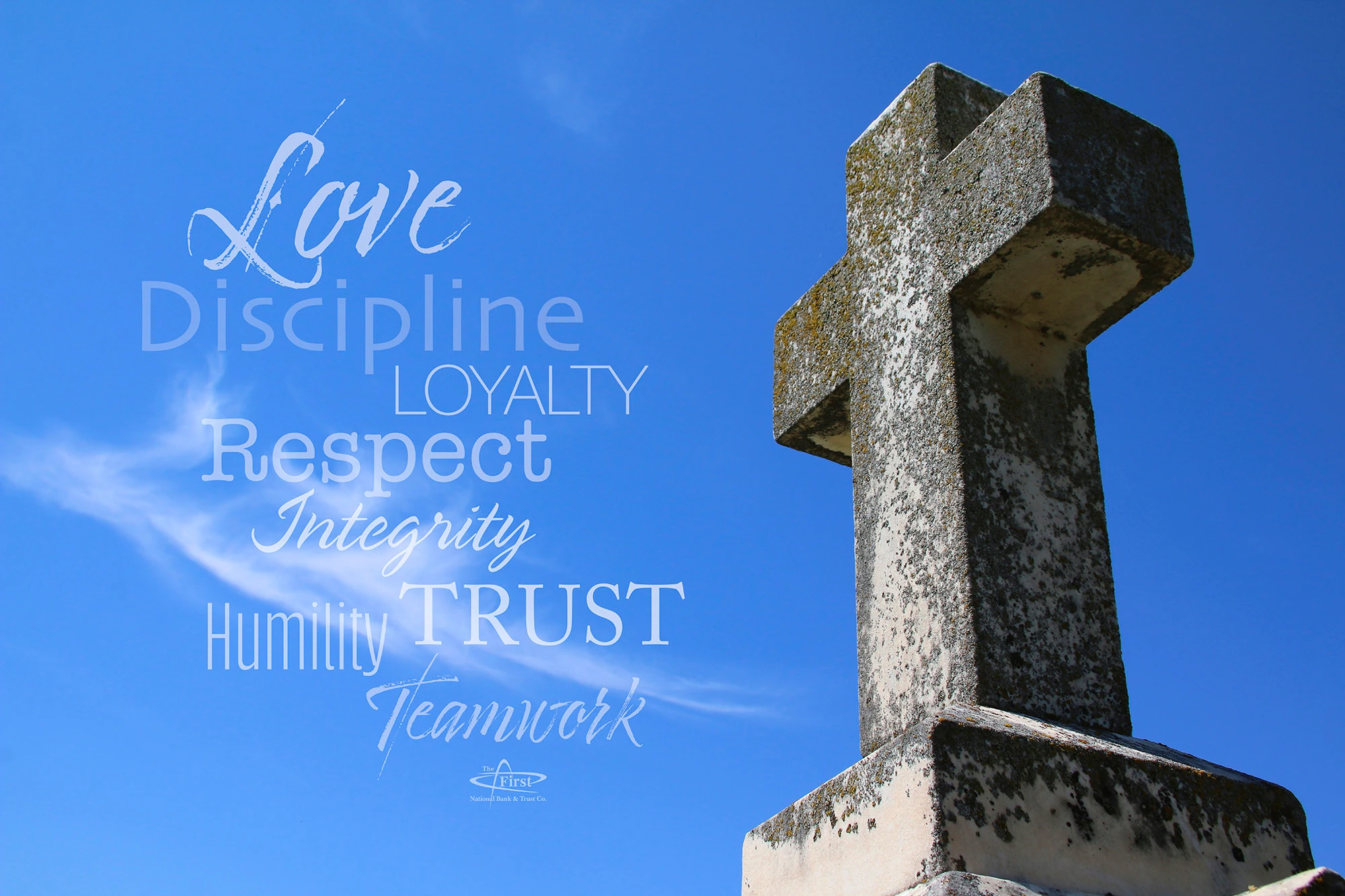
Faith has always played a significant role in Tuttle's history and culture. This weathered cross stands in the Silver City Cemetery, where so many of Tuttle's original founding families, including the Bonds, Campbells, Tuttles, and Johnsons, are laid to rest. The vivid blue sky carries a word cloud of the character traits we hold dear at First National Bank & Trust Co., a reflection of our identity as a Character Core company. 

Photograph by Greg Myers, 2021.

2021

Angus Herd in Tuttle

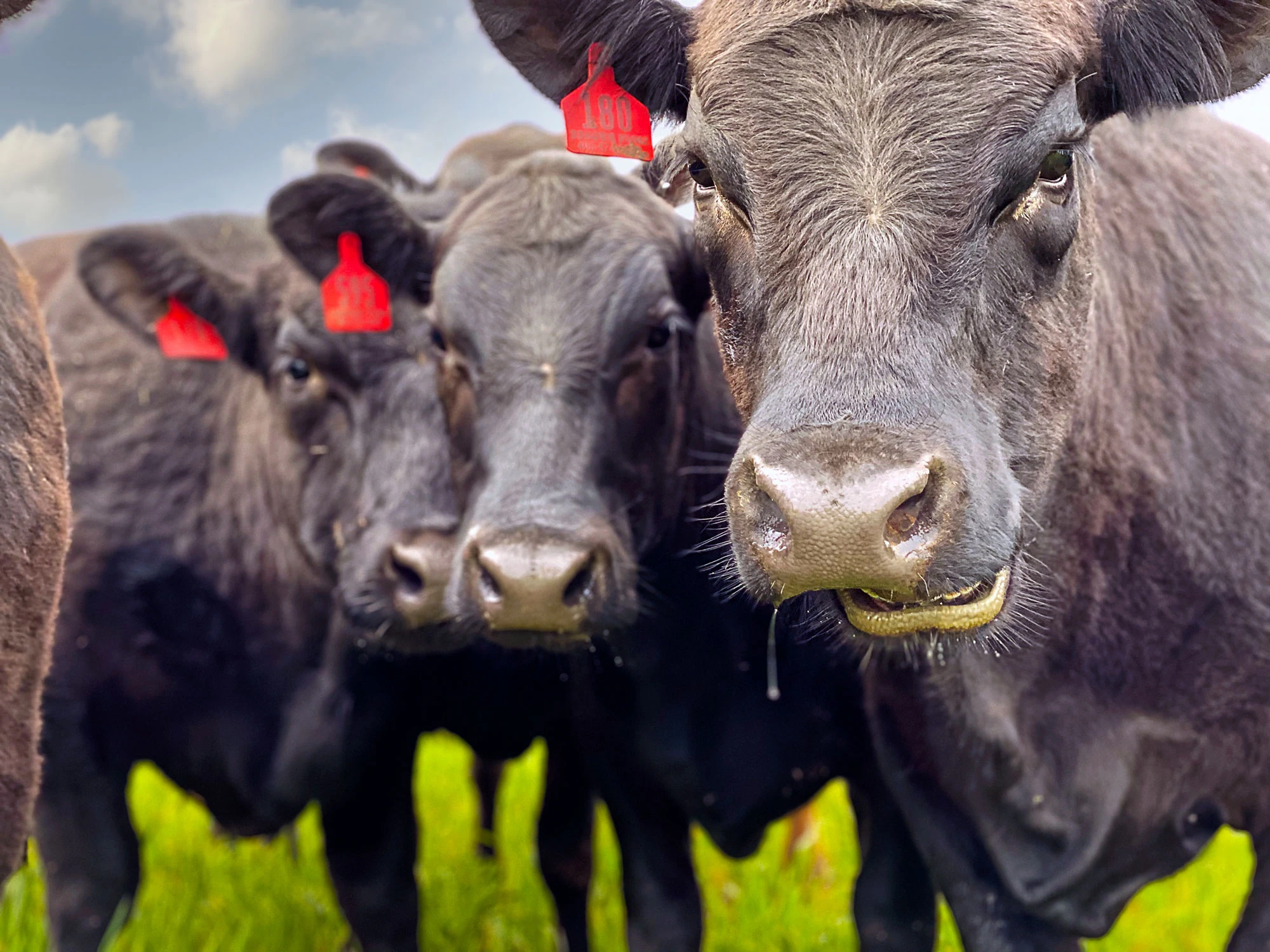
Beef has long been one of the Tuttle economy's primary sources of strength, dating back to when Silver City and Tuttle were favorite stops on the famed Chisholm Trail. These heifers grazing on wheat were captured a couple of miles east of Tuttle by rancher Will Osborn, the latest in a family of four generations of farmers and ranchers in the area. The Osborns find as much beauty in the land as they do livelihood. 

Photograph by Will Osborn, 2021.